According to2021 research from Boston Consulting Group, only around 32% of turnaround maintenance events meet the combined test of finishing on time, on budget, and with the planned scope properly completed. Loose terminology is part of that problem. When "shutdown" and "turnaround" get used interchangeably inside a planning process, the scale, duration and resourcing assumptions built into each word start blurring together too, and that ambiguity has a way of showing up later as scope confusion and schedule pressure.
Shutdown and turnaround are related but distinct terms: a shutdown is any planned stoppage of equipment, a line or a unit to carry out maintenance that can't be done while running, while a turnaround is a shutdown at the largest end of that scale, a comprehensive, whole-plant event covering inspection, overhaul and capital work. Every turnaround is technically a shutdown, but not every shutdown is a turnaround.
This article sets out the practical differences between the two, and why getting the terminology right matters for how each event gets planned and managed.
What Is a Shutdown, and What Is a Turnaround?
A shutdown is a planned stop of a piece of equipment, a production line, or a single process unit, carried out to perform maintenance that would be unsafe or impossible while it's running. A turnaround is the same underlying idea scaled up to the entire plant, involving far more work, far more contractors, and a correspondingly longer planning horizon.
Both terms describe planned, deliberate stoppages rather than reactive or emergency downtime, and both typically share the same broad goals:
- Carrying out maintenance or inspection that can't safely be done while equipment is running
- Meeting statutory or compliance inspection requirements on a defined schedule
- Addressing deferred repairs identified during normal operation
- Returning the asset or plant to a condition that supports reliable running until the next planned event
The difference sits almost entirely in scale: how much of the site is affected, how long the event lasts, and how far in advance it needs to be planned.
What's the Actual Difference Between Shutdown and Turnaround?
The difference between shutdown and turnaround comes down to five practical factors, each of which changes how the event needs to be planned, resourced and managed. Treating a small shutdown with turnaround-level planning wastes effort; treating a turnaround like a routine shutdown is how schedules and budgets come apart.
Scope: Partial vs Whole-Plant
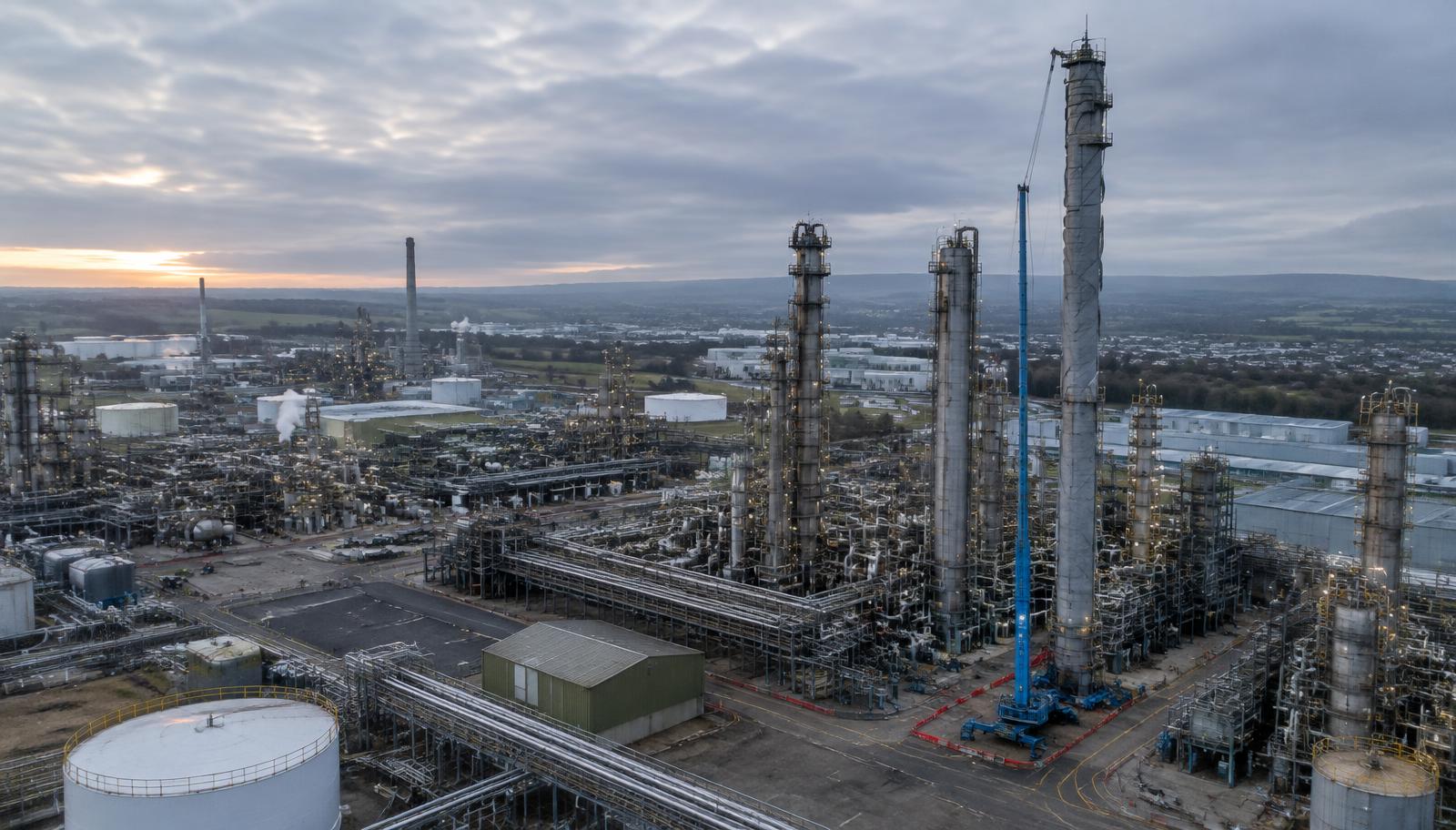
A shutdown typically affects a single asset, line or unit, allowing the rest of the site to keep operating. A turnaround takes the whole plant or a major process unit fully offline.
Duration: Days vs Weeks or Months
Shutdowns are generally measured in days, sometimes up to two or three weeks. Turnarounds are measured in weeks, and on large industrial or petrochemical sites, sometimes months.
Planning Horizon: Short-Lead vs Long-Lead
A shutdown might be planned weeks or a couple of months ahead. A turnaround typically needs six to eighteen months, since scope, contractor bookings and long-lead materials all need locking in well before the event starts.
Frequency: Regular vs Infrequent
Shutdowns tend to happen more regularly, sometimes several times a year depending on the asset. Turnarounds are infrequent by design, often occurring only every few years.
Contractor and Resource Involvement
A shutdown might involve a handful of specialist contractors brought in for specific tasks. A turnaround typically involves hundreds of contractors across dozens of trades, working simultaneously under a formal work-management structure.
Access and Structural Work Implications
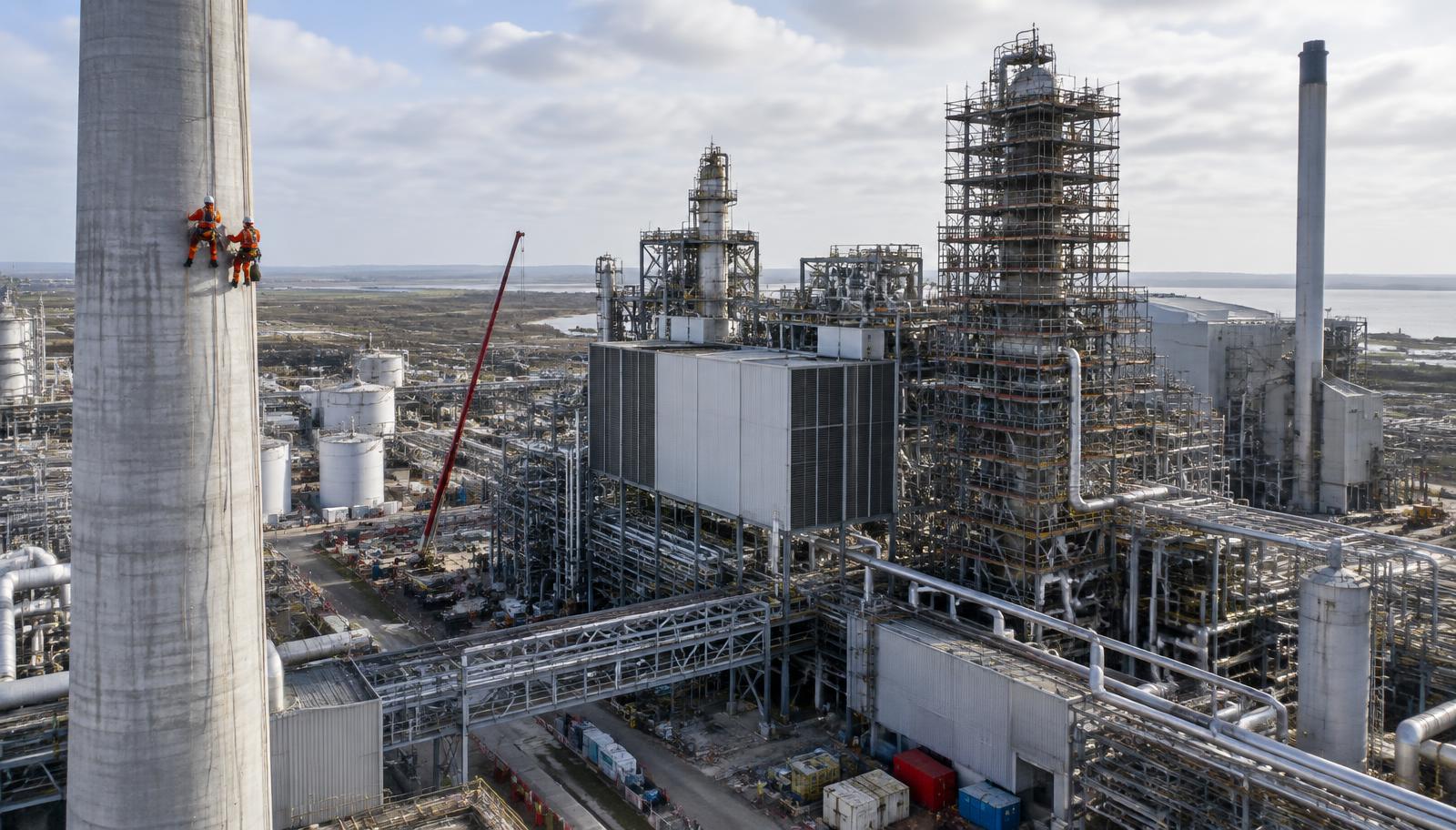
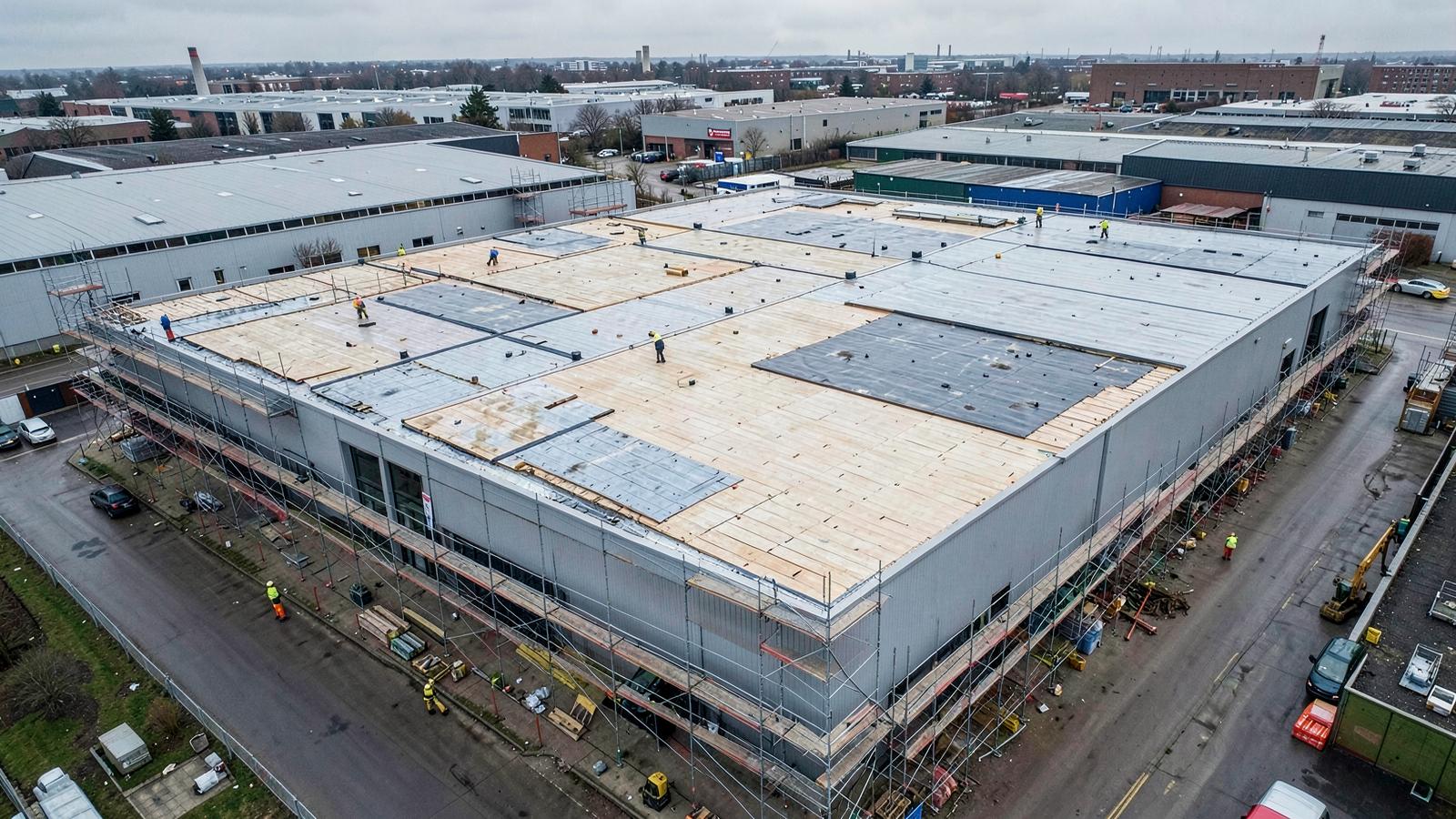
Because a turnaround takes the whole site offline for an extended period, it's often the only realistic window in which certain structural and height-dependent work, stack inspection, roof condition surveys, lightning protection testing, can be carried out at all. A shorter shutdown may not offer enough time or plant isolation for this kind of work, which is part of why access-dependent inspection often gets deliberately timed to coincide with the larger event.

Shutdown vs Turnaround at a Glance
| Factor | Shutdown | Turnaround |
|---|---|---|
| Scope | Single asset, line or unit | Whole plant or major process unit |
| Duration | Days to a few weeks | Weeks to several months |
| Planning horizon | Weeks to a couple of months | 6-18 months |
| Frequency | Several times a year, depending on the asset | Every few years |
| Contractors involved | A handful of specialists | Hundreds, across many trades |
| Structural/height access work | Limited by time and plant isolation | Often the only practical window available |
Why Does Plant Shutdown and Turnaround Management Treat Them Differently?
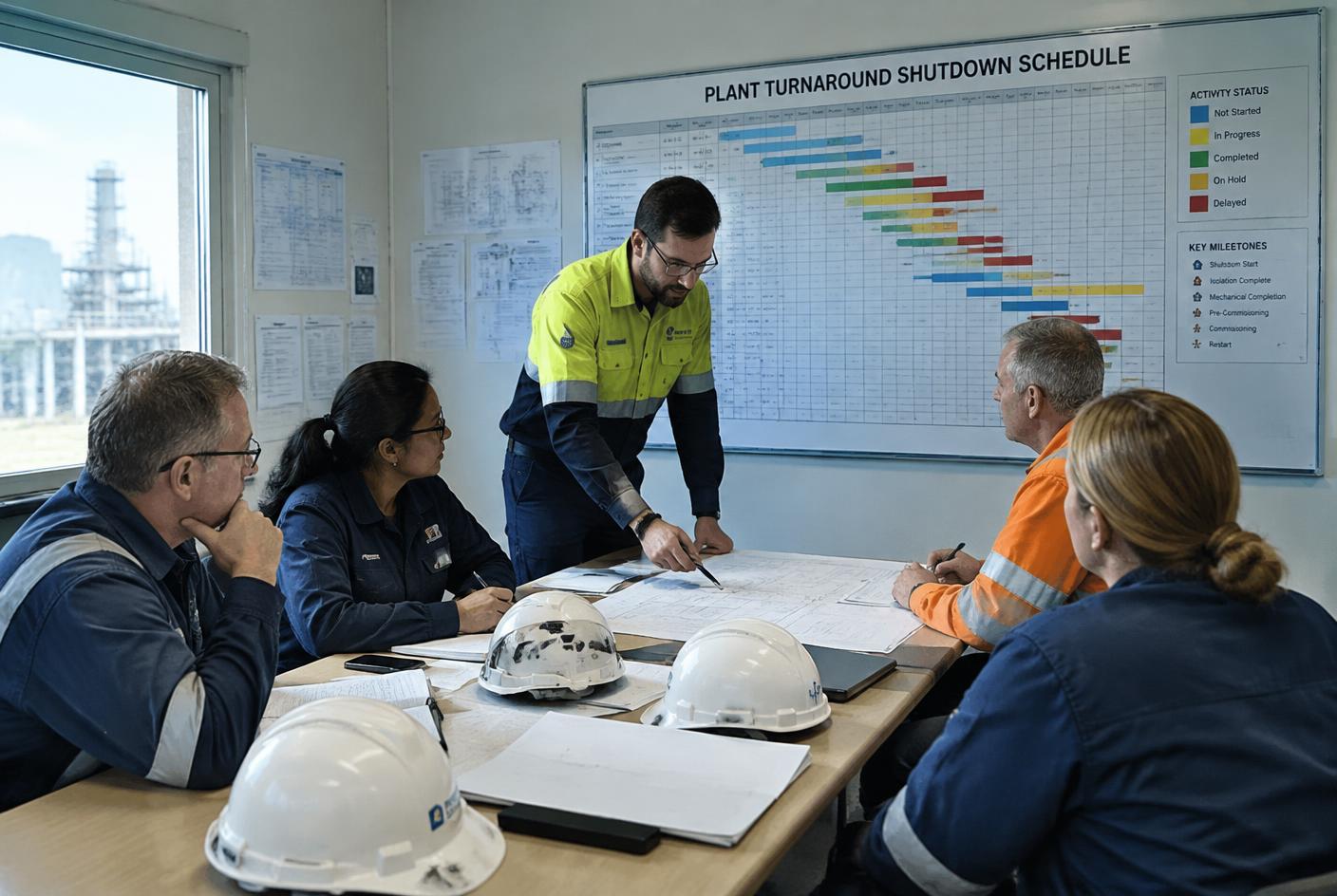
Plant shutdown and turnaround management treats the two differently because the planning discipline that works for a short, contained shutdown simply doesn't scale to a whole-plant event with hundreds of interdependent tasks. A shutdown can often be managed by a single coordinator working from a task list; a turnaround needs formal scope freezing, critical path scheduling and dedicated project management from months out.
This is also where shutdown and turnaround optimisation efforts tend to focus: not on making either event faster in isolation, but on matching scope and planning discipline to the scale of what's actually being undertaken. In practice, that usually means:
- Confirming which type of event is actually being planned before scope, budget and contractor numbers are set.
- Sizing the planning horizon to match the scale, giving a turnaround its full lead time rather than compressing it into a shutdown-length window.
- Scaling the coordination structure accordingly, moving to formal scope freezing and critical path scheduling once an event crosses from shutdown into turnaround territory.
A turnaround planned with shutdown-level rigour is one of the more reliable predictors of the kind of overrun the wider industry data consistently points to.
Getting the Terminology Right Is Part of Getting the Planning Right
Confusing shutdown and turnaround terminology tends to reflect, and sometimes cause, mismatched planning assumptions about scale, duration and resourcing. Getting clear early on which type of event is being planned makes it easier to set a realistic timeline, and to identify which parts of the work, including anything structural or height-dependent, genuinely need the longer window a turnaround provides.
Not sure whether your next event is a shutdown or a turnaround, or what that means for access planning? Get in touch, and we can help you scope it correctly.