An ageing industrial roof rarely fails all at once, and replacing it before it strictly needs replacing rarely makes financial sense either. According to the National Federation of Roofing Contractors' State of the Roofing Industry Report, 2026, materials prices in the UK roofing sector remain elevated, and contractor margins continue to be squeezed, a cost climate that makes stretching an ageing roof's service life through refurbishment, rather than committing straight to full replacement, an increasingly practical option for facilities managers weighing up their next capital decision.
Industrial roof refurbishments cover a range of targeted interventions, from recoating and gutter renewal through to overcladding and rooflight replacement, that extend a roof's working life without a full strip-and-rebuild. Which option makes sense depends on what's actually wearing out: a coating that's chalked and faded needs a very different fix to a corroded gutter or a brittle rooflight. This guide sets out the main refurbishment options for ageing industrial roofs, and what tends to determine which one fits.
What Counts as an Industrial Roof Refurbishment?
An industrial roof refurbishment is any intervention that restores or extends the performance of an existing roof system without removing and replacing it entirely. The common thread across every option below is that the existing structure, sheeting and fixings are largely retained, with work focused on the specific element that's actually failing.
Refurbishment work typically shares a few practical advantages over full replacement:
- Lower material and disposal costs, since most of the existing roof structure is retained
- Less disruption to an operational building, as work is often confined to specific elements rather than the whole roof plane
- A shorter overall programme in most cases, compared with a full strip-and-rebuild
- The option to phase work across several elements over time, rather than committing to one large capital project
Top Refurbishment Options for Ageing Industrial Roofs
1. Industrial Roof Coating Refurbishment
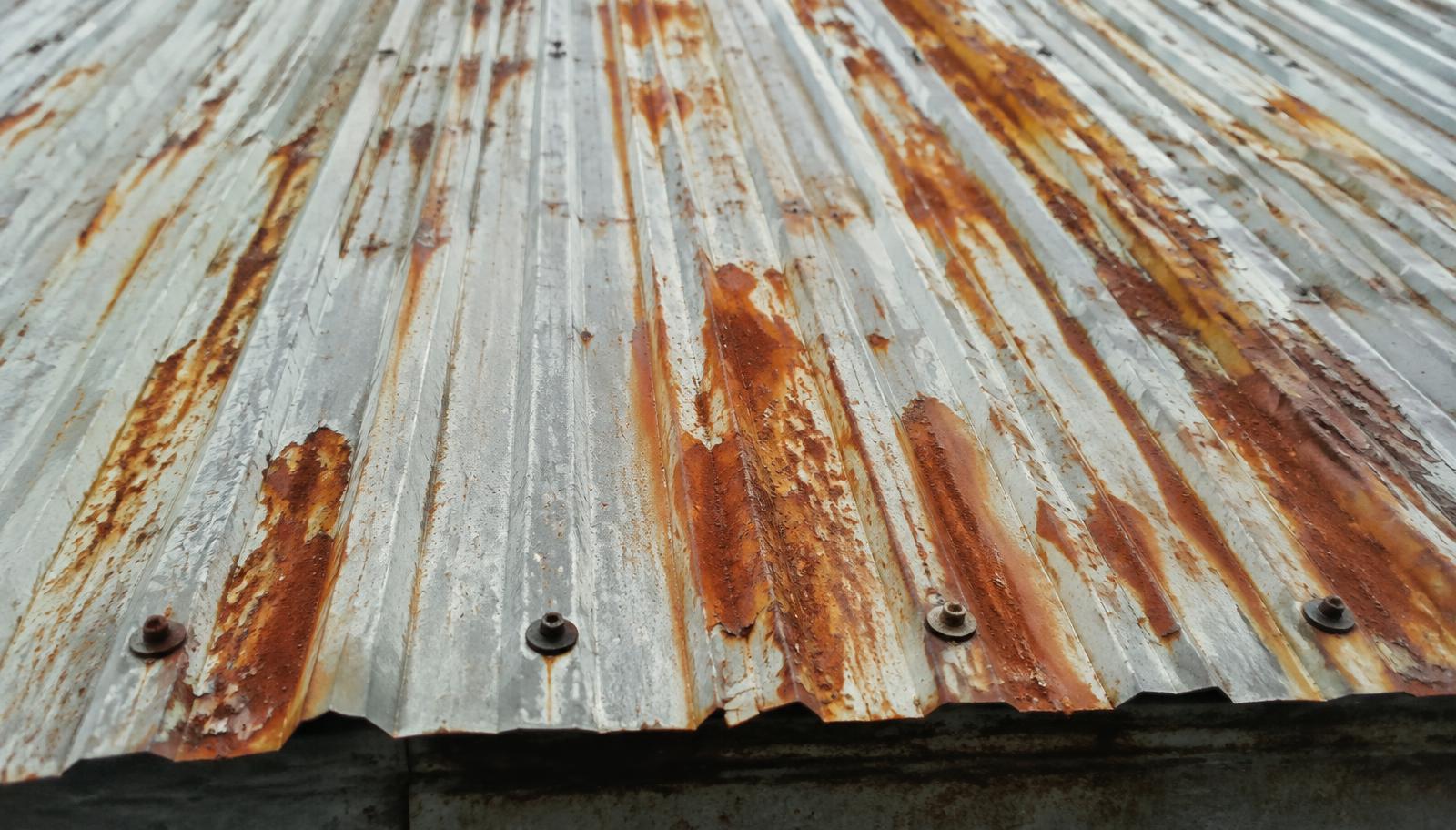
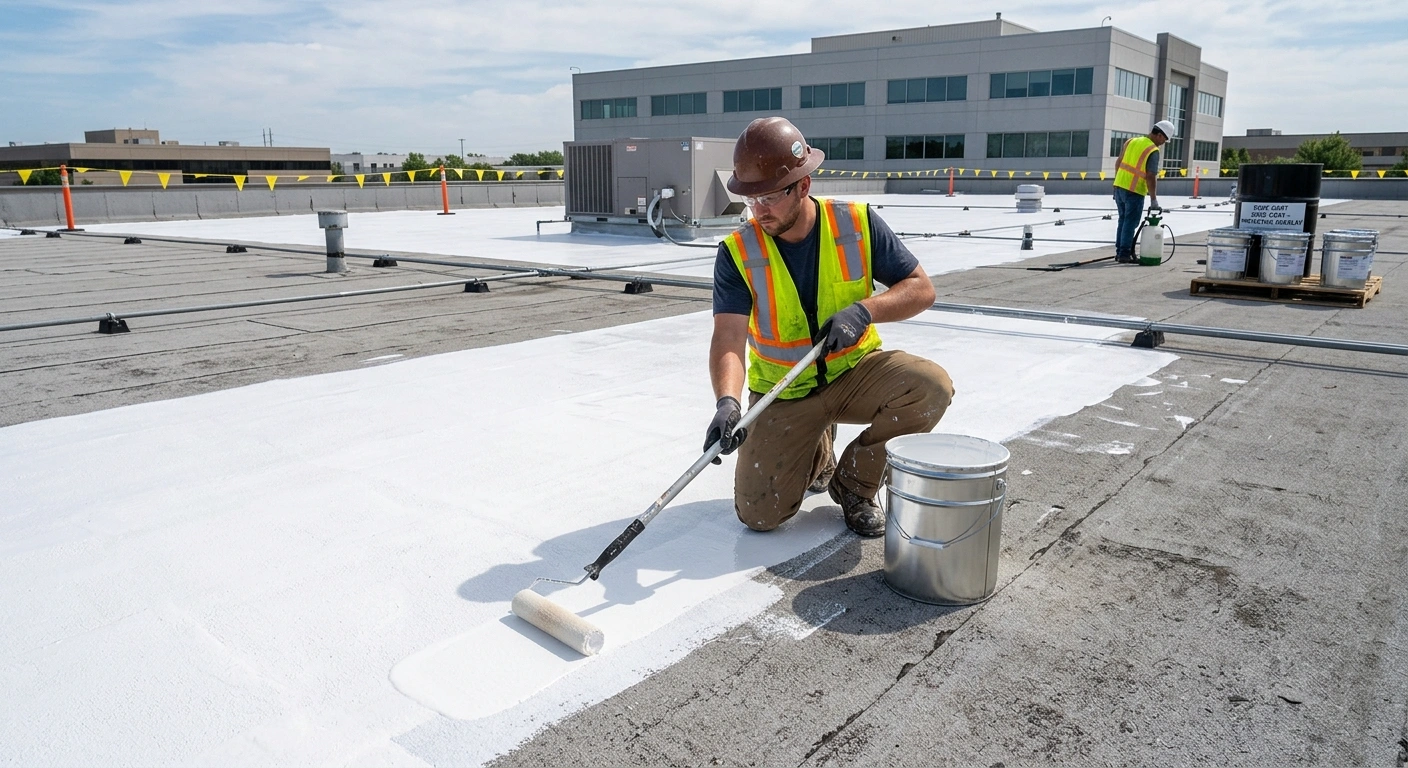
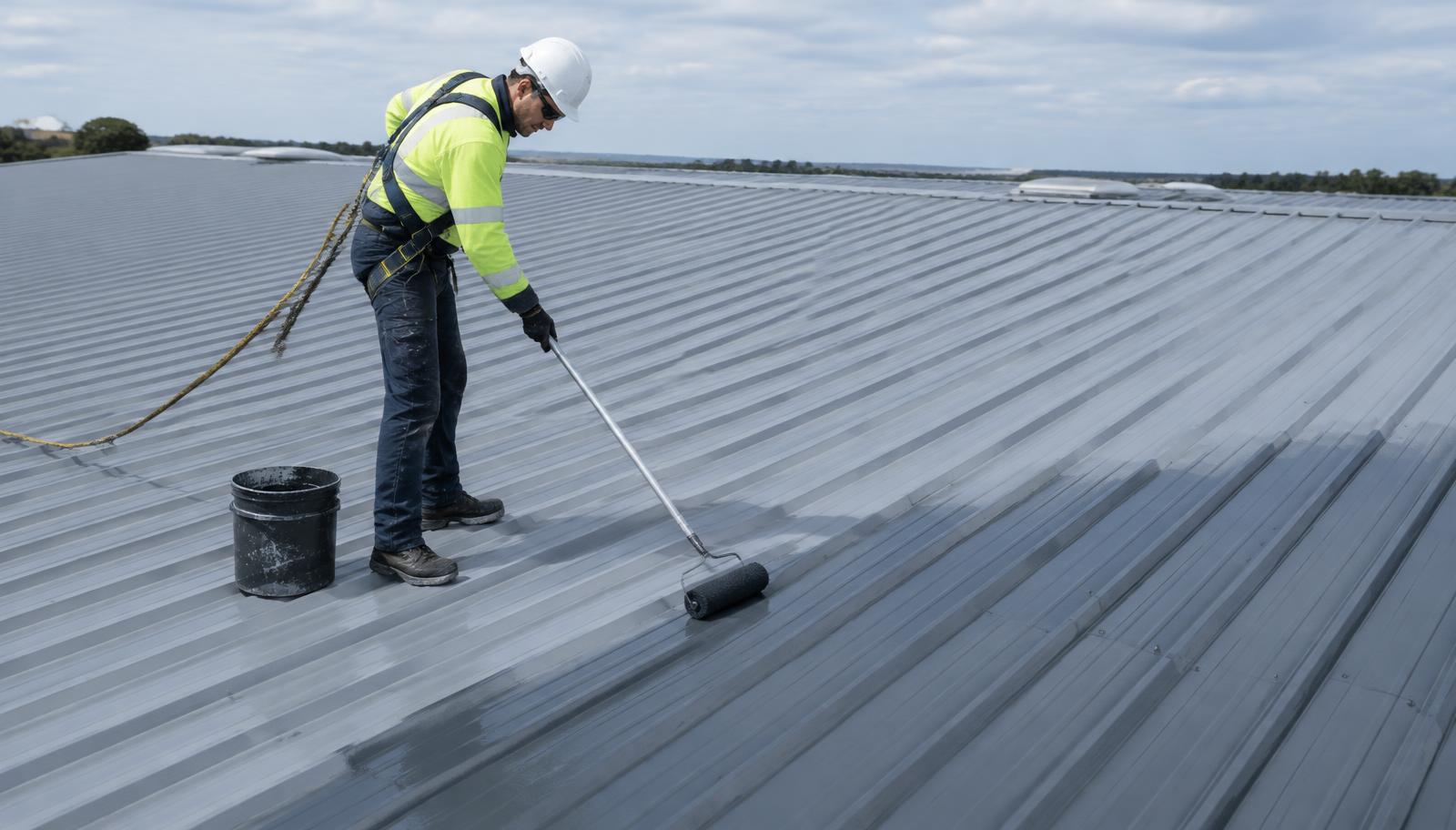
Recoating is usually the first option considered once a metal roof's original protective finish has chalked, faded or begun to expose bare metal to corrosion. An industrial roof coating refurbishment cleans, primes and reapplies a protective system to sheeting that's still structurally sound, extending its service life by years for a fraction of the cost of sheet replacement. This works best when caught early, before corrosion has actually perforated any sheets.
2. Industrial Roof Gutter Refurbishment
Valley and eaves gutters are prone to corrosion, splitting at joints, and debris blockage long before the main roof sheets show comparable wear. Industrial roof gutter refurbishment typically involves lining, resealing or replacing sections of gutter, addressing what is often the actual source of a leak that appears to come from elsewhere. Gutters are frequently the first part of a roof to need attention, because they hold standing water longer than any other element.
3. Overcladding and Sheet Overlay
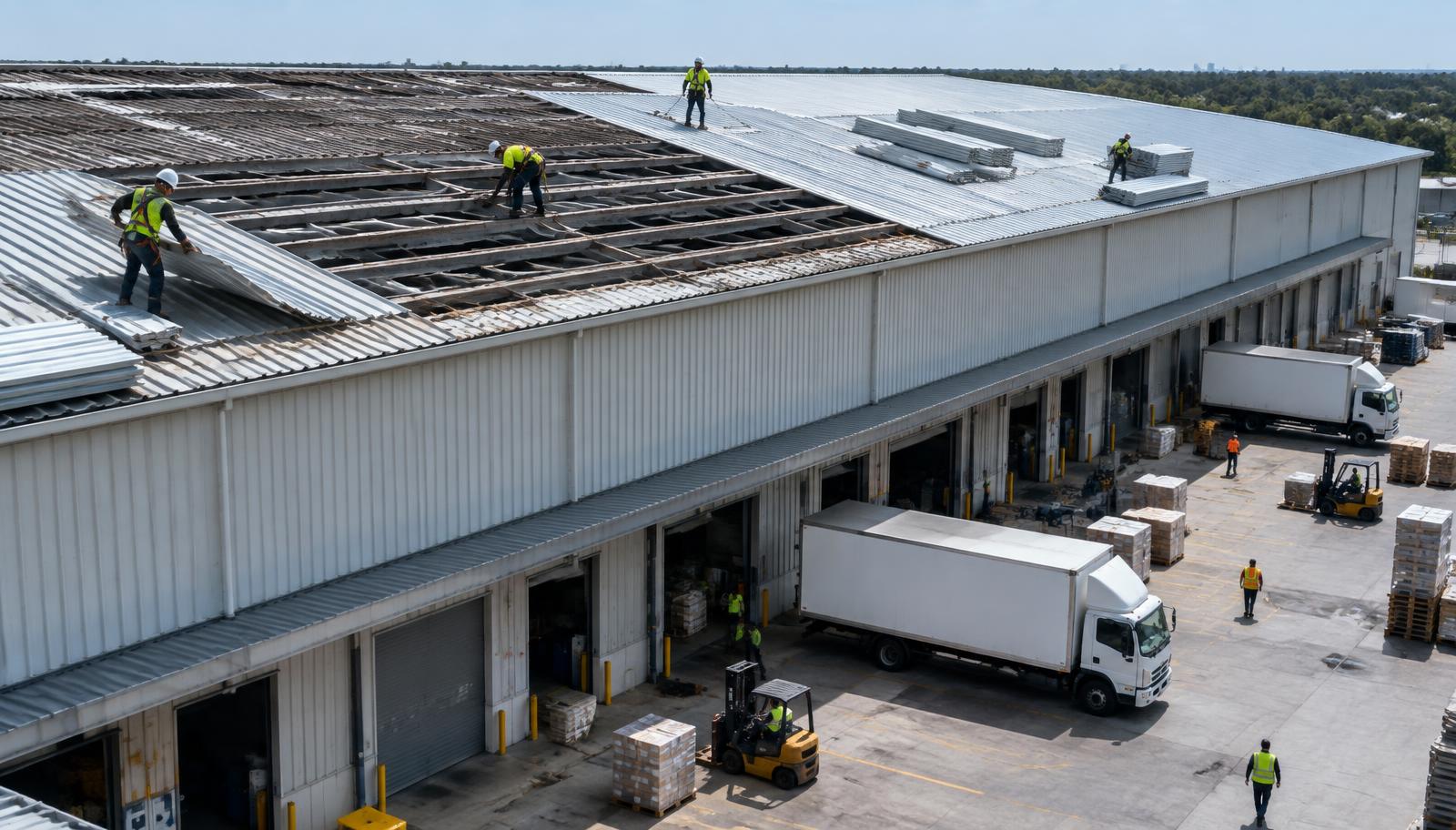
Where the existing structure is sound but the sheeting itself has reached the end of its useful life, overcladding installs a new outer layer over the existing roof rather than stripping it back to the structure. This avoids the disruption of a full strip-out and can improve insulation performance, though it depends on the existing structure being able to support the added weight.
4. Rooflight Replacement
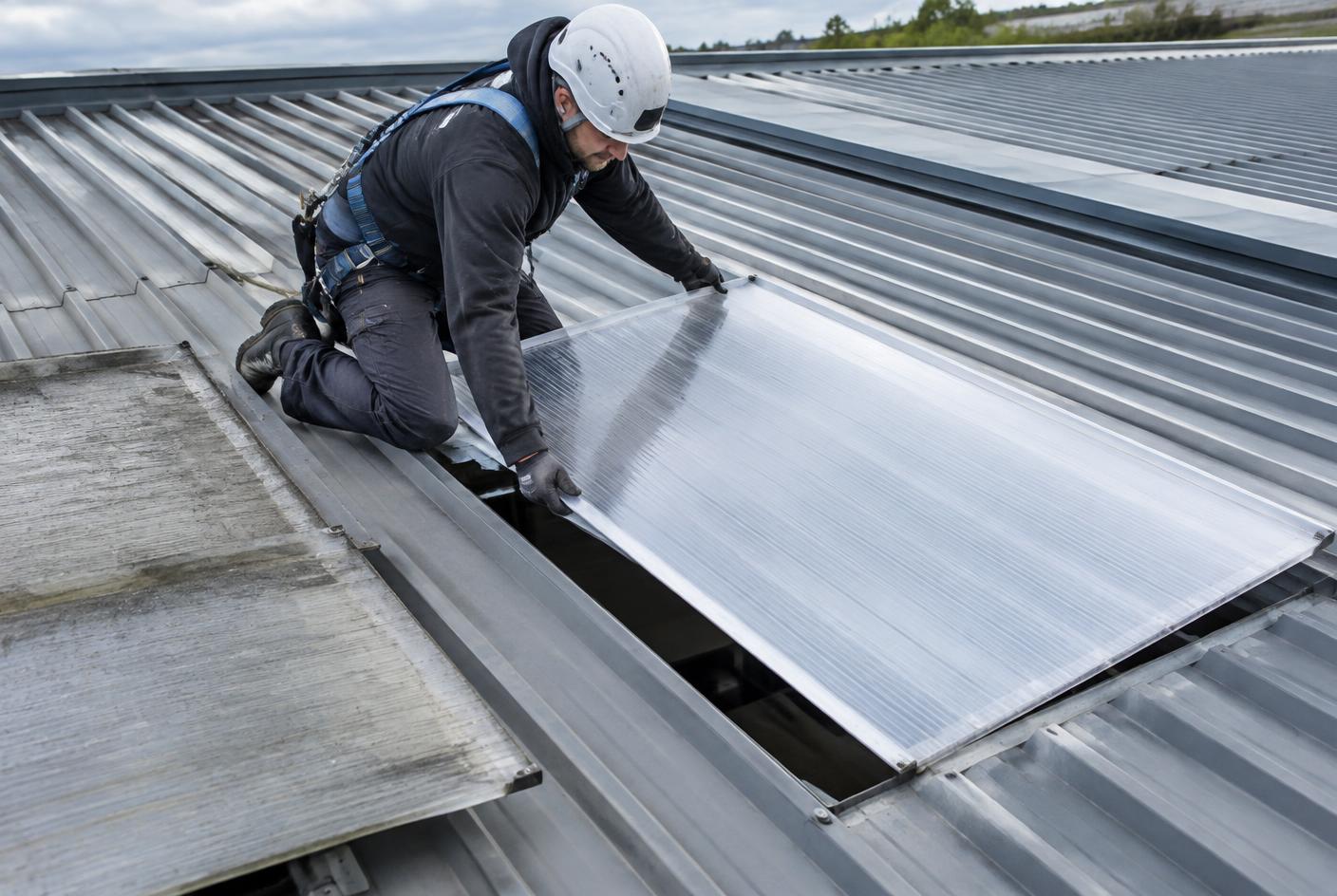
Ageing polycarbonate or GRP rooflights degrade with UV exposure and become both a leak risk and a safety hazard well before the surrounding sheeting needs attention. Replacing rooflights to current non-fragile standards is one of the most common single-element refurbishment jobs on older industrial roofs, often carried out alongside other work while access is already in place.
5. Targeted Sheet Replacement
Rather than recoating or overcladding an entire roof, some projects replace only the specific sheets that have corroded or failed, leaving the surrounding roof untouched. This suits roofs where deterioration is localised, and it's often combined with a coating refurbishment on the remaining sheets to bring the whole roof to a consistent standard.
Comparing the Main Refurbishment Options
| Option | Best Suited To | Typical Lifespan Gained |
|---|---|---|
| Coating refurbishment | Faded or chalking coatings on structurally sound sheets | 10-15 years |
| Gutter refurbishment | Corroded, split or blocked gutters | 15-20 years |
| Overcladding | Sheeting at end of life, sound structure beneath | 25-30 years |
| Rooflight replacement | Brittle, yellowed or cracked rooflights | 20-25 years |
| Targeted sheet replacement | Localised corrosion or damage | Varies by extent |
How Do You Decide Which Refurbishment Option Actually Fits?
Deciding which refurbishment option fits starts with an accurate condition survey, since several of these problems can look similar from ground level despite needing very different fixes. Choosing the wrong option, recoating over corrosion that's already perforated, for example, wastes money without solving the problem.
- Survey the roof element by element, assessing coating, sheeting, gutters and rooflights separately rather than as one uniform system.
- Identify which elements are failing and which are sound, since most projects combine two or three options rather than applying just one.
- Weigh remaining lifespan against cost, checking whether a targeted fix genuinely extends service life enough to justify the spend.
- Sequence the work logically, addressing gutters and rooflights while access is in place for a coating job, rather than scheduling separate visits.
- Confirm the structure can support any added weight, particularly before committing to overcladding on an older frame.
Why Does Reaching Every Element of the Roof Matter for a Refurbishment Decision?
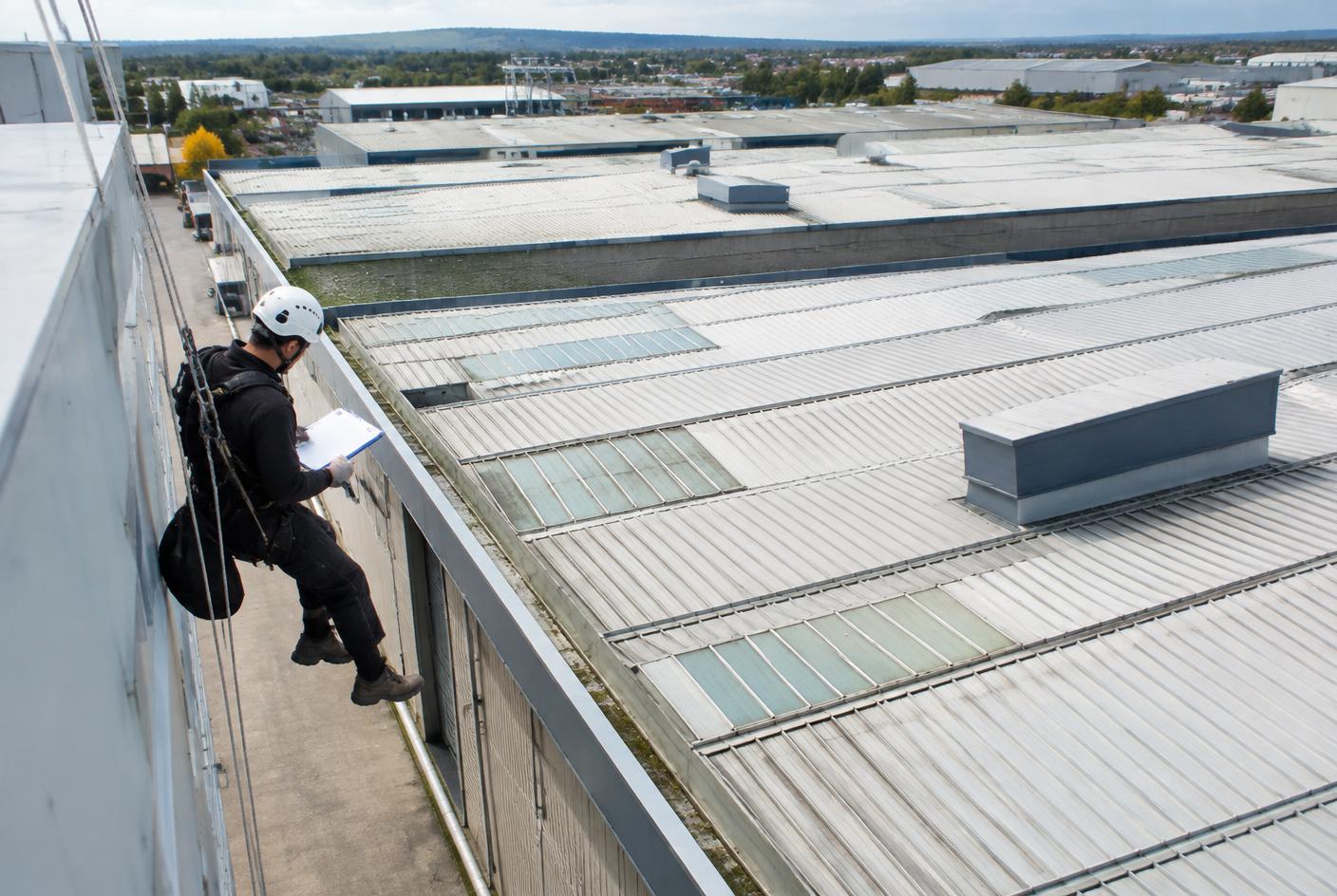
A refurbishment scope is only as reliable as the survey it's based on, and several elements aren't always fully visible from a standard walk-round inspection. Missing one during the survey stage risks a refurbishment plan that looks complete on paper but leaves a known weak point unaddressed. Teams able to combine general roofing knowledge with certified access to the harder-to-reach parts of a roof are generally in a better position to confirm the scope actually covers everything before work begins.
Matching the Fix to What's Actually Failing
Industrial roof refurbishment works best as a genuinely mixed toolkit rather than a single fix applied uniformly, since coatings, gutters, rooflights and sheeting all wear out on their own separate timelines. Getting a proper element-by-element survey before committing to a scope is what keeps a refurbishment project a genuine lifespan extension, rather than a partial fix that leaves the next problem waiting just out of sight.
Want a proper element-by-element survey before deciding on a refurbishment scope? Get in touch for a no-obligation assessment.